A lab grown diamond is created in controlled laboratory conditions rather than deep within the earth. These diamonds possess the same chemical, optical, and physical properties as natural diamonds. They are produced from pure carbon, which crystallizes into a diamond structure.
Because the environment is controlled, lab-grown diamonds can be made in various shapes, sizes, and colors. They are often chosen by consumers seeking a sustainable and ethically sourced alternative to mined diamonds.

Lab-grown diamonds are primarily produced using two advanced technologies. These processes accelerate natural diamond formation, which normally takes billions of years underground.
1.High Pressure–High Temperature (HPHT)
In the HPHT method, scientists recreate the intense heat and pressure found in the Earth’s mantle.
Under these conditions, carbon melts and crystallizes around the seed. A diamond is grown within days or weeks. After the growth process, the rough diamond is removed, cut, polished, and graded.
This technique often produces diamonds with excellent clarity and exceptional structural strength. HPHT diamonds may also be created in vibrant color due to the metal catalysts used during growth.
Read More: Natural Diamonds vs CVD Diamonds
The CVD method uses modern plasma technology to grow diamonds layer by layer.
These carbon atoms then settle onto the seed and bond together, forming a larger diamond crystal over several weeks. Afterward, the diamond is polished and graded.
CVD diamonds are often prized for their purity. Because this process offers fine control over growth conditions, it can produce diamonds with excellent brilliance and fewer inclusions. Minor post-growth treatments may sometimes be used to enhance color.
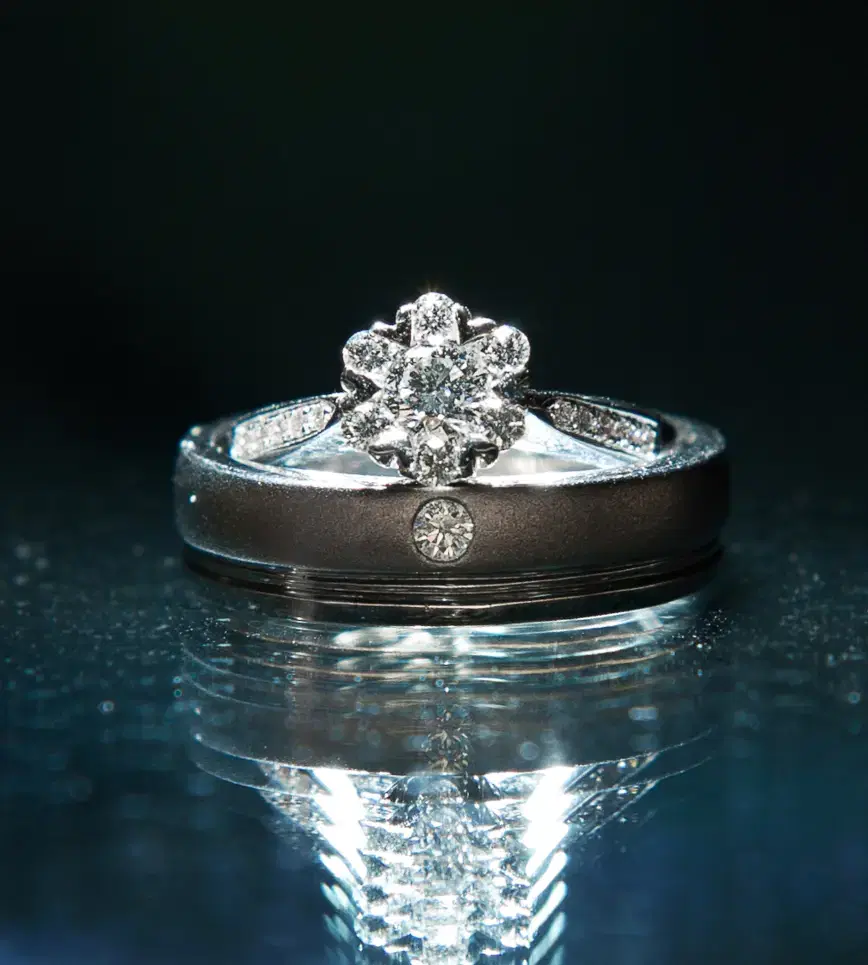
Lab-grown diamonds are real diamonds, not limitations.
Active research and strict gemological testing continue to confirm that lab-grown diamonds behave the same as natural diamonds in all physical and optical aspects. The only difference is how they originate, not what they are made of.
Lab-grown diamonds have transformed the jewelry industry. Scientists can now grow diamonds in weeks using HPHT and CVD technologies processes that once took nature billions of years.
These diamonds shine with the same brilliance and durability as mined stones while offering a more ethical and environmentally conscious choice.
As innovation continues, lab-grown diamonds are becoming a leading option for buyers who want beauty, value, and sustainability in one gemstone.
Become a part of the Classic Grown Diamonds network and get our latest updates directly in your inbox! Subscribe for our newsletter today!

