So you’ve been dreaming of owning a diamond for a while now. Maybe you want it for a special occasion or just want to make your entry into the captivating world of diamonds.
But the high price of the rock is keeping you out of the game? There is a way out of this tricky situation - start small with a loose diamond. It will not burn a hole in your pocket but will still give you the bragging rights of a real diamond.
But, it’s important to understand a couple of parameters that determine the quality and price of a loose diamond.
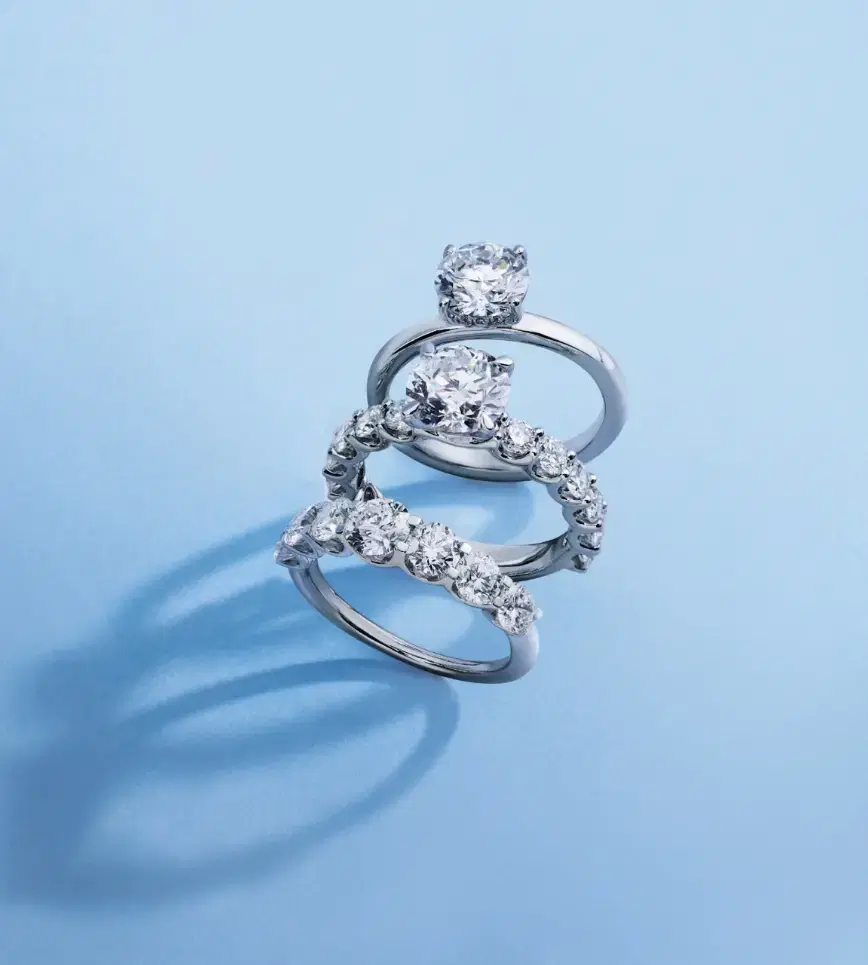
1. Color grades are not everything
A diamond’s color is graded on a scale that starts with the letter D, the whitest shade, and then each subsequent letter depicts more yellowish shades. But this feature is not highly distinguishable to the naked eye.
So, you don’t need to spend an extravagant amount on a D & E-colored diamond. Just see yourself after what shade the diamond starts to look yellow and choose the letter from the above color grades.
2. Cut down on the size
While deciding on the size of your small diamond, go for a few points below the widely known standard sizes like 1.0 & 2.0 carats.
These specific sizes cost a bomb and therefore should be avoided. A bit short of these standards like 0.9 or 1.9 are better options and cannot be distinguished from the popular carat sizes.
Read More: Impact Of Man Made Diamonds On The Diamond Industry
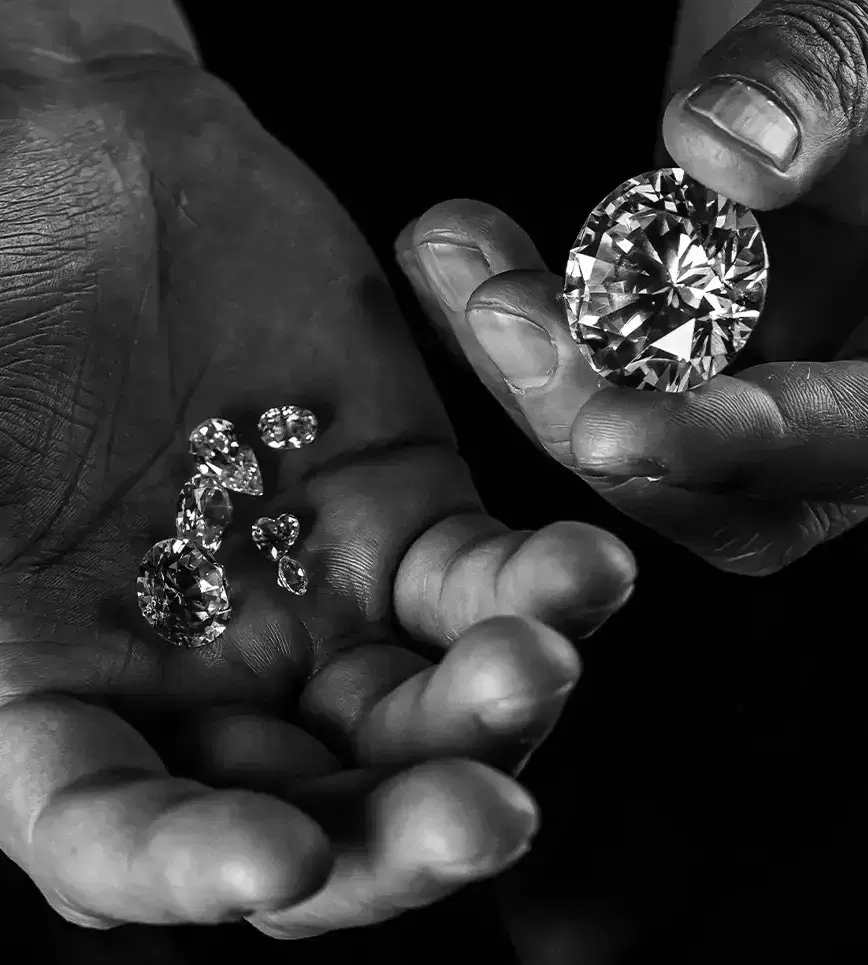
3. Prongs are your diamond’s best friend
Prongs hold the diamonds at the center of the rings. The job of the prongs is to keep the diamond secure, but in the case of budget diamond shopping, they can act as concealers of any blemishes or inclusion.
Diamond inclusions are the non-diamond materials that get trapped during their formation process. This helps you make a good bargain for blemished or visible inclusion diamonds, which you can later fix with the prongs.
4. Mount the diamond on a white metal
Shopping for a diamond with a lower color grade can save you serious money. But what if you can increase the whiteness of your diamond? Yes, it’s very much possible.
You can use non-reactive metals like platinum or white gold to make the surrounding design of your diamond jewelry. Your diamond will then reflect the light of these shiny metals and appear of higher color grade.
So apply these tips when you go hunting for that precious diamond of yours, and most importantly - enjoy the process. At Classic Grown Diamond, we have curated a wide collection of lab-grown diamonds, solitaire diamonds, designer-shaped diamonds, and man-made diamonds, which are chemically, physically, and optically identical to naturally mined diamonds.
We are one of the largest manufacturers and wholesalers of lab diamonds. We also offer small loose diamonds & Lab-grown diamonds at wholesale prices.
Call us at +1 212 221 3667 or submit an inquiry at sales@classicgrowndiamonds.com today.
Become a part of the Classic Grown Diamonds network and get our latest updates directly in your inbox! Subscribe for our newsletter today!

